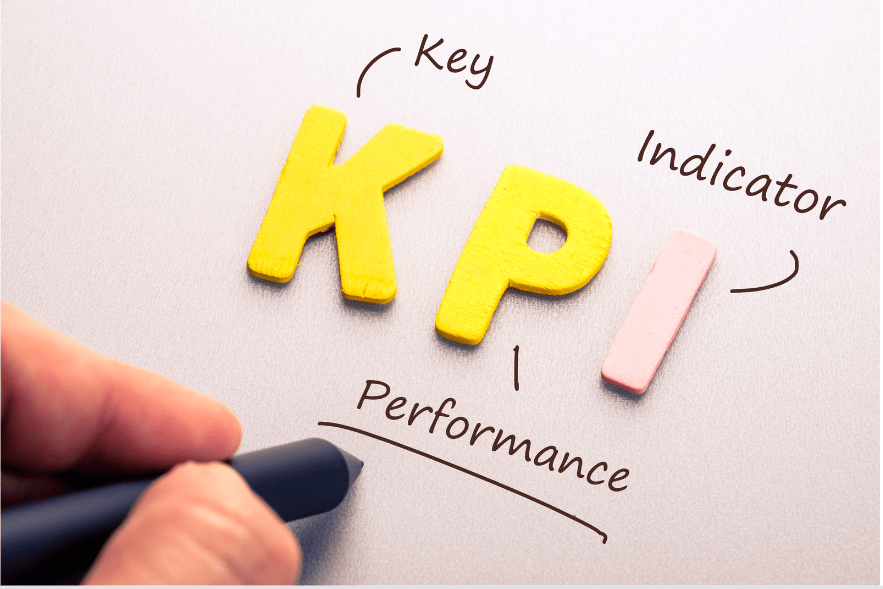
Agile testing has revolutionized how software development teams approach quality assurance. With its focus on iterative development, collaboration, and quick feedback loops, the Agile methodology aims to improve software quality and team efficiency. However, the question remains: how do you measure success in an Agile testing environment?
Agile testing metrics and Key Performance Indicators (KPIs) offer teams a structured way to assess their performance, identify bottlenecks, and drive continuous improvement. In this article, we’ll delve into the key metrics that every Quality Assurance (QA) team should focus on, while also highlighting common pitfalls to avoid to stay aligned with Agile principles.
Key Agile Testing Metrics and KPIs
- Defect Density This metric measures the number of defects found in the software per unit size (e.g., lines of code, function points, etc.). It’s a crucial KPI to assess the overall quality of the software during testing.
- How it helps: Teams can identify areas of the codebase with higher defect densities, which could indicate poorly written code or areas that require more testing.
- What to watch for: While important, don’t focus only on the number of defects. Instead, prioritize the severity and impact of those defects on the user experience.
- Test Coverage Test coverage is a metric used to determine how much of the code is being tested by the automated test suite. It includes the percentage of code, branches, functions, or statements covered by tests.
- How it helps: High test coverage indicates that most of the code is tested, reducing the likelihood of hidden bugs.
- What to watch for: Having 100% test coverage doesn’t guarantee bug-free software. It’s essential to focus on the quality of tests rather than just the quantity. Poorly written tests or “happy path” tests can give a false sense of security.
- Velocity Velocity measures the amount of work a team completes during a sprint. It’s calculated based on the story points or work items completed during that period.
- How it helps: By tracking velocity over time, teams can predict future sprint outcomes and gauge consistency in delivery.
- What to watch for: Velocity is not a measure of team performance or individual effort. Using it as a performance metric can lead to gaming the system (e.g., inflating story points). It’s better suited as a planning tool.
- Sprint Burndown This chart tracks the remaining work (typically in hours or story points) versus the time remaining in the sprint.
- How it helps: It gives a visual indicator of the team’s progress during the sprint, helping teams identify if they are ahead or behind schedule.
- What to watch for: Focus on trends rather than expecting a perfect “burndown.” Teams should not be penalized for changes during a sprint, such as scope adjustments or new priorities. Adaptability is key in Agile.
- Escaped Defects This metric tracks defects that were missed during testing and discovered later in production.
- How it helps: Monitoring escaped defects helps identify gaps in your testing strategy and pinpoint areas that need better test coverage.
- What to watch for: Avoid blaming individual team members for escaped defects. Instead, analyze the gaps in the testing process, automate more tests, or review the areas that repeatedly escape scrutiny.
- Automated Test Pass Percentage This metric calculates the percentage of automated tests that pass during a sprint.
- How it helps: High pass percentages can indicate a stable product and a robust automated test suite.
- What to watch for: Be careful of relying too heavily on this metric. It doesn’t account for whether the tests are testing the most critical paths or edge cases. Regularly review the quality and coverage of automated tests.
- Cycle Time Cycle time measures the time it takes from when a work item is started to when it is completed and delivered.
- How it helps: Shorter cycle times mean faster delivery, which is essential in Agile. It helps assess how quickly the team can respond to changes or new requirements.
- What to watch for: Focus on reducing cycle time without sacrificing quality. Rushing through tasks can lead to technical debt, which will slow down the team in the long run.
What to Avoid: Common Pitfalls with Agile Metrics
While Agile testing metrics and KPIs are useful, it’s essential to avoid misusing them. Here are a few key practices to steer clear of:
- Using Metrics for Individual Performance Reviews – Agile testing metrics should focus on team progress and software quality, not individual performance. Code reviews, for example, should improve code quality and foster knowledge sharing, not assess personal output. When used for individual evaluations, metrics can create competition, discourage defect reporting, and shift focus from quality to appearances. Many managers and corporations make this mistake, which undermines Agile principles like collaboration and trust, and ultimately harms team morale, innovation, and project success.
- Over-Emphasizing Velocity Velocity is a helpful metric for sprint planning, but using it as a measure of productivity can lead to inflated story points or cutting corners to meet goals. Focus on delivering high-quality software, not artificially boosting velocity to show progress.
- Obsession with 100% Test Coverage Chasing 100% coverage often leads to testing trivial parts of the code that offer little value. Instead, focus on high-value, critical paths where defects are most likely to occur and tests can deliver meaningful feedback. More tests mean more maintenance. Aim for impactful and efficient tests rather than increasing the volume of tests unnecessarily.
- Punishing Teams for Escaped Defects Teams should treat escaped defects as learning opportunities, not failures. Blaming individuals or teams can discourage open communication and prevent future improvements. Instead, conduct blameless post-mortems to learn how the defect was missed and improve your processes.
- Relying Solely on Automated Test Pass Rates Automated tests are critical in Agile environments, but passing tests alone do not guarantee that the software is bug-free or fully functional. Be cautious of false positives and regularly review and update your test suite to ensure it tests the right scenarios.
Conclusion
Agile testing metrics and KPIs are powerful tools that help teams gauge their progress, identify areas for improvement, and ensure that high-quality software is delivered. However, metrics should be used thoughtfully. Misusing them, such as using metrics for individual performance reviews or obsessing over velocity, can undermine Agile principles and lead to undesirable behaviors.
Instead, focus on leveraging these metrics for continuous improvement, collaboration, and better decision-making. Remember that Agile is about adaptability, transparency, and delivering value to the customer—not just hitting numbers.
Happy testing!






 Testing Agile
Leave a comment